THE NEED FOR INNOVATION IN LPS TECHNOLOGY
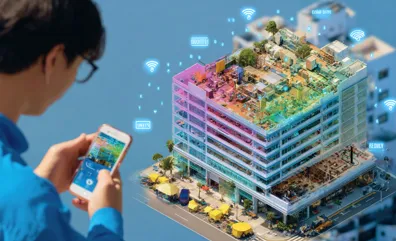
Modern infrastructure demands more — but lightning protection hasn’t kept up. Buildings today are evolving rapidly: they’re taller, more complex, and packed with sensitive digital systems. Yet in many cases, the technology used to protect them from lightning hasn’t meaningfully changed in centuries.

What’s changed:
- Evolving architectural materials and designs: Novel non‑metallic facades, complex composites, and unconventional geometries affect electrical conductivity and change where and how lightning strikes interact with structures
- Digital systems have become widespread and critical: Today's buildings rely heavily on electronics, sensors, control systems, and IoT devices, making them uniquely vulnerable to transient voltage spikes or EMP effects
- Zero tolerance for downtime is now the norm: Industries such as energy, petrochemicals, data centres, and smart facilities cannot afford even brief outages, making robust protection an operational necessity
What’s still outdated:
- Systems that passively wait to be struck
- Grounding methods that assume ideal soil conditions
- Lack of data visibility: No way to monitor, validate, or respond in real time
- A compliance-driven mindset that overlooks actual risk performance
The gap is clear — and the need is urgent. For lightning protection to remain relevant, it must evolve to meet the complexity, precision, and resilience demands of modern infrastructure. It’s no longer enough to simply comply; protection must be engineered with foresight, responsiveness, and intelligence at its core.
LIGHTNING BY THE NUMBERS
The threat of lightning is far more common (and costly) than most realize. Its global impact makes protection not just a precaution, but a necessity
1.4B
NO OF LIGHTNING STRIKES GLOBALLY ANNUALLY
MET OFFICE, UK
Annually, lightning causes deaths, injuries, wildfires, property damage, and power outages.
24,000
PEOPLE KILLED BY LIGHTNING ANNUALLY
NATIONAL WEATHER SERVICE
In addition to deaths, 240,000 people are injured from lightning strikes, often with lasting health effects.
$30B
IN DAMAGES CAUSED BY LIGHTNING STRIKES GLOBALLY ANUALLY
Lightning destroys infrastructure and homes, and disrupts businesses, incurring an immense financial toll. E.g. Countries like the US suffer USD 1B Annually
National Lightning Safety Council
IMPACT ON SAFETY & PRODUCTIVITY
Lightning poses a serious danger to personnel. Strikes can cause severe injury or death, whether through direct hits or side flashes.

LICHTENBERG FIGURES
Fractal-like, branching patterns caused by electrical discharge

CUTANEOUS BURNS
Causes ruptured eardrums, pulmonary edema, muscle cramps and amnesia, among other things.
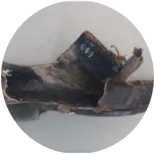
RUPTURED CLOTHING
Caused by the explosive force and intense energy of lightning

FATAL CARDIAC INJURIES
Direct strikes can cause cardiac arrest, leading to severe arrhythmias and heart muscle damage

UNSCHEDULED DOWNTIME
Immediate loss of production when operations are shut down due to equipment failure or safety protocols
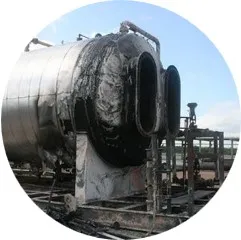
EQUIPMENT DAMAGE
Lightning can destroy/degrade critical systems, with repairs/replacements extending downtime
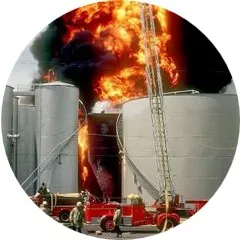
FIRE & EXPLOSION
Lightning is leading ignition source for storage tank fires and vapor explosions

SAFETY & SHUTDOWNS
Safety protocols often mandate evacuations/shutdowns during storms even without a direct strike
SOLUTIONS OVERVIEW
SERVICES

Lightning Audit
DIRECT STRIKE PROTECTION
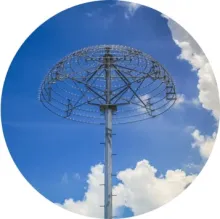
Strike Avoidance
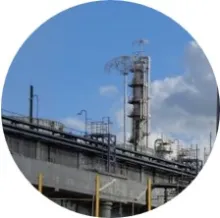
Controlled Termination
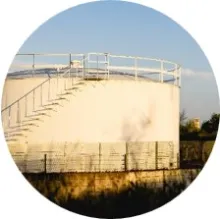
Bonding
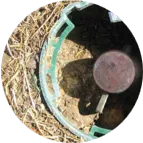
Grounding
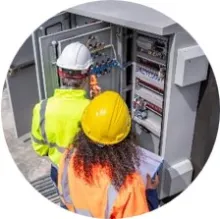
Surge Protection
IOT
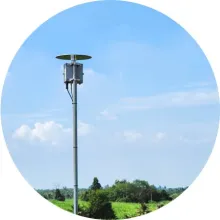
Lightning Activity Monitoring

Ground Monitoring
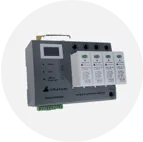
Surge Protection